On My Way...

Welcome to the Mathematical World!
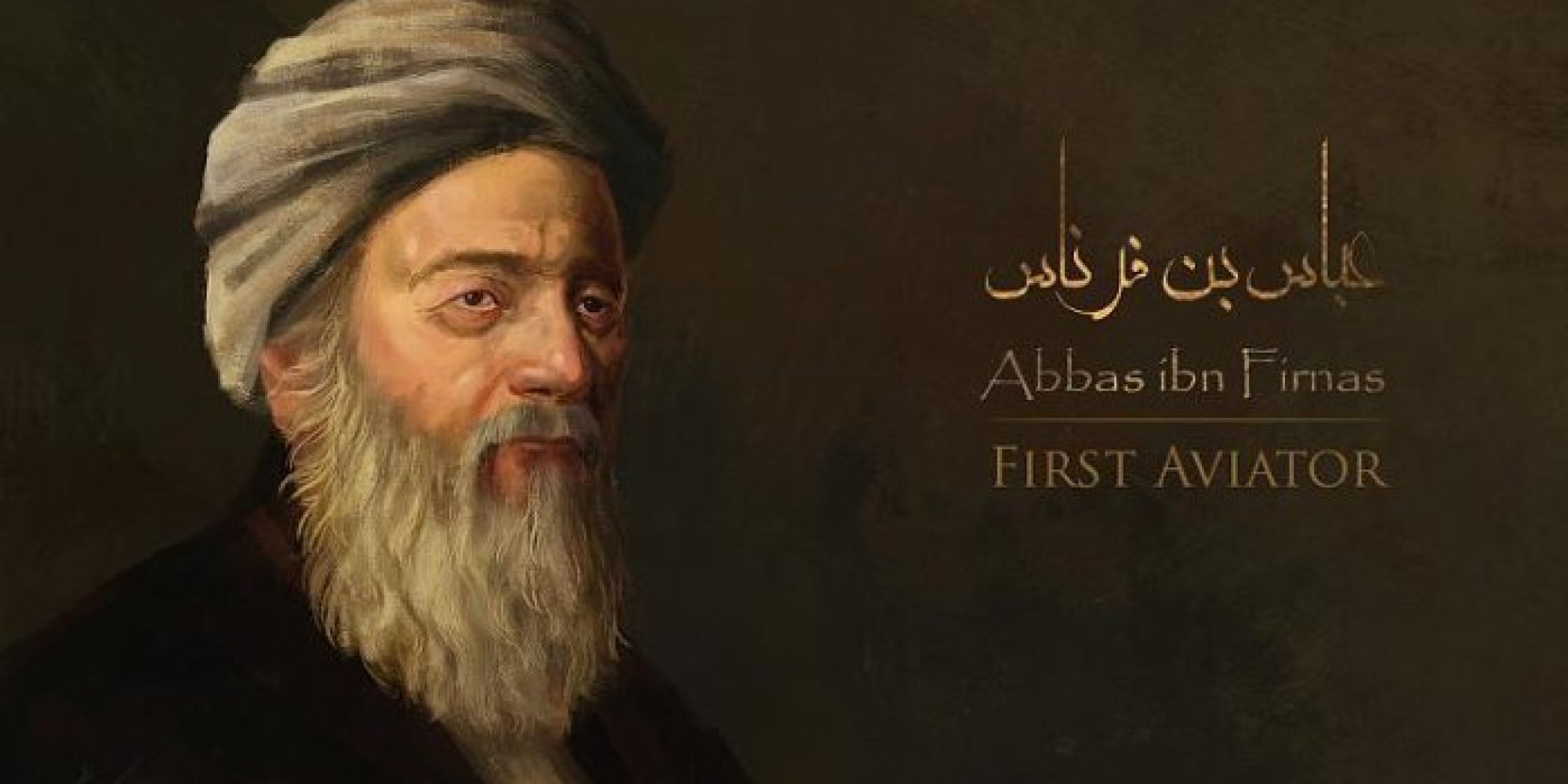
Abbas ibn Firnas
Andalusian Polymath: Inventor, Astronomer, Engineer, and Poet
Abū al-Qāsim ʿAbbās ibn Firnās ibn Wirdūs al-Tākurnī (c. 810 – 887 CE) was a notable Andalusian polymath active in Córdoba. He made remarkable contributions in astronomy, engineering, chemistry, medicine, optics, and music, and even attempted a pioneering glider flight experiment.:contentReference{index=0}
Scientific & Technical Contributions
- Flight Experiment (ca. 875 CE): Famously donned wings of silk, wood, and feathers and leapt from a height near Córdoba. He glided for a short distance, but suffered injuries on landing due to missing a tail for stabilization—a lesson he later noted.:contentReference{index=1}
- Optics & Glassmaking: Developed methods for manufacturing high-clarity, colourless glass from quartz. He produced “reading stones” (early magnifying lenses) and crafted glass planispheres—used in astronomical instruments.:contentReference{index=2}
- Astronomical Devices: Built a mechanical device simulating planetary and stellar motions. He also introduced the Sindhind (Indian astronomical tables) to al-Andalus.:contentReference{index=3}
- Timekeeping & Music: Designed the water clock known as *al-Maqata*, and a prototype metronome, reflecting mechanical and acoustic ingenuity.:contentReference{index=4}
- Geology & Cutting: Introduced techniques for cutting rock crystal (quartz), eliminating the need to export it to Egypt for workmanship.:contentReference{index=5}
Legacy & Honors
- A crater on the far side of the Moon (Ibn Firnas crater) was named in his honor by the IAU in 1976.:contentReference{index=6}
- His name adorns the bridge over the Guadalquivir River in Córdoba and Baghdad International Airport houses a statue commemorating him.:contentReference{index=7}
- His written reflections on flight—and his multidisciplinary work—have long inspired later inventors, from Leonardo da Vinci to modern engineers.:contentReference{index=8}

All rights reserved by the Mathematical Unity
Contact: +8801400044645
Email: mathematicalhorse1453@gmail.com
Our Discord Server: Mathematical Unity [Ulus Riyadiyat]